Newcastle upon Tyne City Transport Guide: Buses, Metro, and Taxis
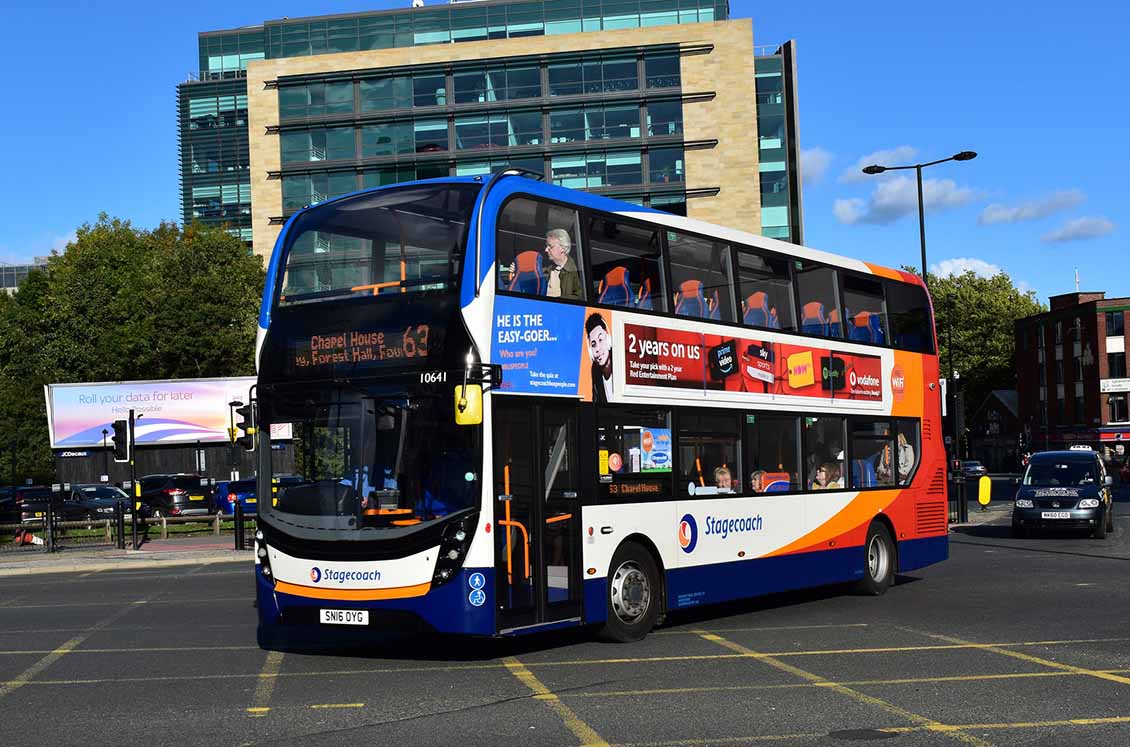
Exploring a new city always begins with figuring out how to move around it. When I first arrived in Newcastle upon Tyne, the vibrant heart of northeast England, I quickly realised that understanding the city’s transport system was not just about getting from one place to another—it was about experiencing the city’s character, its rhythm, and its everyday life. Whether it was the buses snaking through Georgian streets, the Metro zipping me under the River Tyne, or the taxis dropping me at late-night eateries, every mode of transport gave me a different perspective of Newcastle.
This guide is for anyone planning their first visit to the city. It is both practical and personal: a combination of my lived experiences, conversations with locals, and many rides through the streets of this lively place. Over the years, I’ve discovered ten important lessons that can help first-time visitors navigate Newcastle’s transport like a local.
1. Getting Comfortable with the Bus System
The first bus ride I ever took in Newcastle was on Stagecoach’s Service 38, from the city centre near Haymarket Bus Station to the residential neighbourhoods near Heaton Park. The moment I stepped on board, I realised that buses here aren’t just functional—they’re a microcosm of the city. Commuters in suits with headphones, students carrying Tesco bags, and older locals chatting about football scores created an atmosphere that was uniquely Geordie.
What I Learned:
- Buses are plentiful, running through most of the day and into the late evening.
- Payment is easiest by contactless card—just tap and go. Cash still works, but exact change is needed.
- Day passes are worth it if you plan to hop on and off multiple times, and they can be bought directly from the driver.
On a rainy afternoon, I took a bus from Newcastle Central Station out toward Jesmond, one of the city’s trendiest suburbs. Watching the rain streak across the windows while passing elegant terraced houses gave me a sense of Newcastle beyond the busy streets of Grey Street or Bigg Market.
Practical tip: Download the Stagecoach Bus App or Arriva Bus App to check real-time arrivals. Newcastle’s weather can be unpredictable, so knowing whether your bus is 3 minutes or 15 minutes away saves you from unnecessary soaking.
2. The Tyne and Wear Metro: A Lifeline Beneath and Above the City
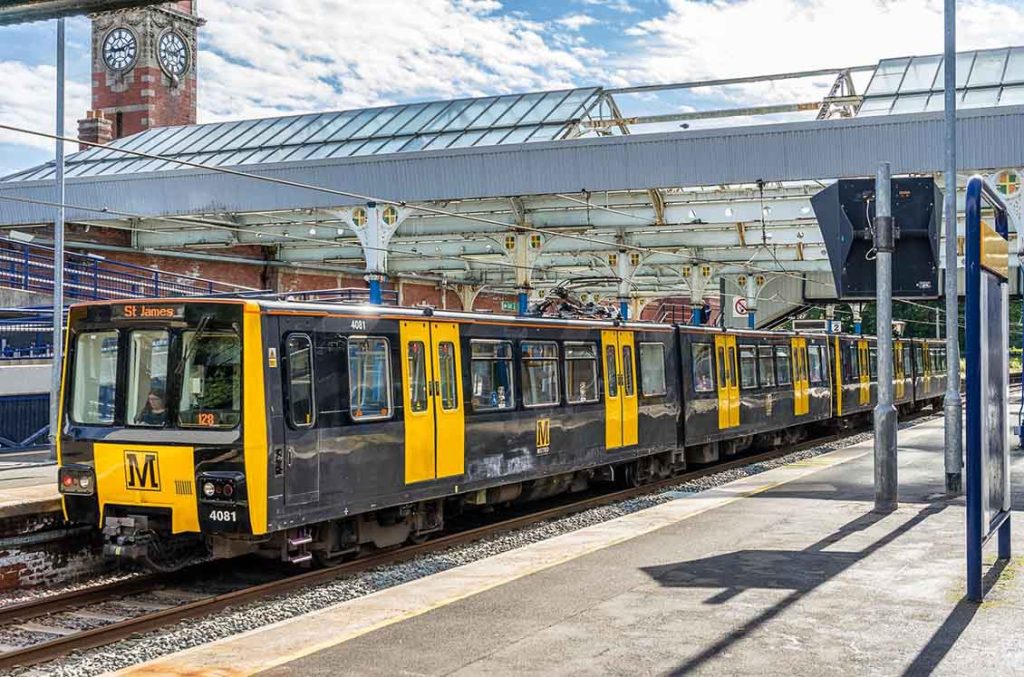
If there’s one thing that makes Newcastle’s transport system stand out, it’s the Tyne and Wear Metro. Known simply as the “Metro,” it connects not only Newcastle but also Gateshead, Sunderland, and even the coast at Tynemouth and Whitley Bay.
My first Metro journey started at Haymarket Station. I remember the anticipation of stepping into this underground system, often called one of the most efficient outside London. The yellow trains, with their slightly retro design, reminded me of photographs from the 1980s when the Metro was first launched.
Why I Loved It:
- The circular city loop means you can get almost anywhere quickly, from Central Station to St. James Park, home of Newcastle United.
- Journeys to the coast are seamless. I once rode the Metro all the way to Tynemouth, where the salty sea air hit me the moment I left the station.
- Fares are inexpensive compared to London, and the Pop Pay As You Go card makes it easier to travel without thinking about tickets each time.
One of the most magical Metro rides I had was crossing the River Tyne near Gateshead Stadium, when the train emerged briefly from underground and I caught a glimpse of the famous bridges against a crimson sunset.
Practical tip: Avoid peak hours (around 8–9 AM and 5–6 PM). Trains are packed with commuters, and if you’re carrying luggage, it can be tricky.
3. Using Taxis: Reliable but Choose Wisely
There were nights in Newcastle when the Metro had closed, buses had thinned out, and I found myself in need of a ride back to my hotel. That’s when taxis became my saviour.
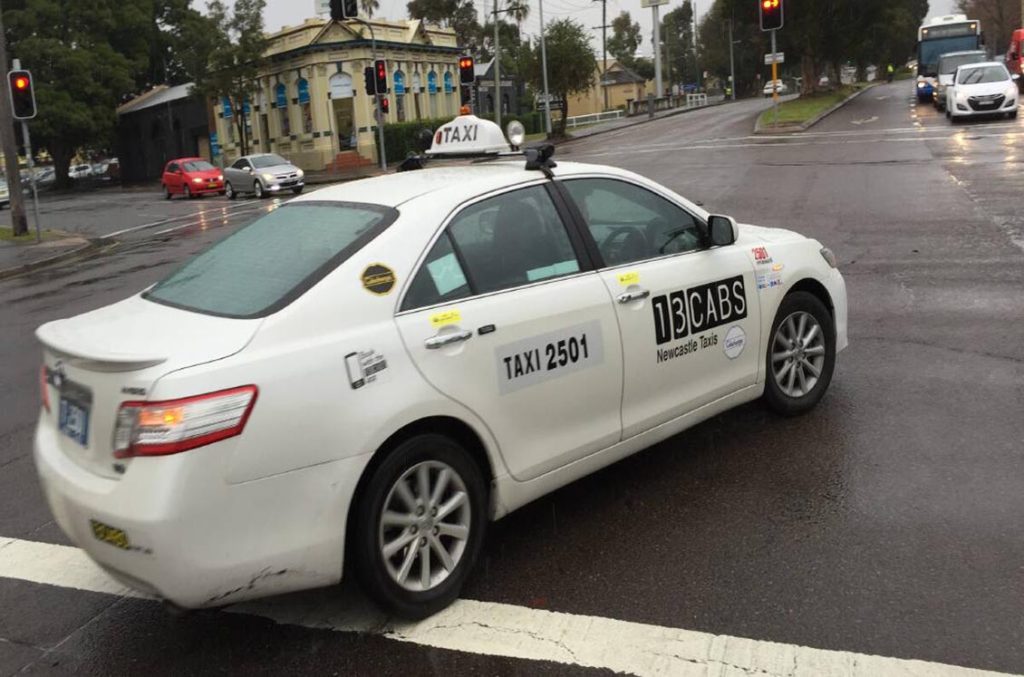
In the city centre, particularly around Bigg Market and Collingwood Street, taxis line up late into the night. There’s a choice between black cabs, which you can hail on the street or at taxi ranks, and private hire vehicles, which must be pre-booked via phone or apps like Uber or Bolt.
My Experiences:
- Black cabs are reliable, often driven by locals who love to chat. One driver gave me a running commentary on Newcastle United’s ups and downs during a ride from Jesmond back to the Quayside.
- Private hire taxis are usually cheaper if booked in advance, especially during peak weekend hours.
Practical tip: If you’re heading to or from the airport, pre-book a taxi. I once hailed a cab outside Central Station on a Friday evening and paid nearly double compared to a pre-booked ride.
4. Plan Your Day Around Transport
Newcastle may not be a sprawling metropolis like London, but planning your day around transport saves both time and energy. On my first long stay, I mapped out my itinerary: morning at BALTIC Centre for Contemporary Art, afternoon at Ouseburn Valley, evening dinner at the Quayside. Buses and the Metro made this smooth.
Advice:
- Use Google Maps or Citymapper to plan routes, but also cross-check with local apps.
- Always have a backup—if a Metro line is temporarily closed for maintenance (which happens occasionally), buses can fill the gap.
5. Walking as a Complement
Though this article focuses on buses, Metro, and taxis, I can’t ignore walking. Newcastle is a very walkable city. From the Castle Keep to Grey Street, much of the historic centre is easily covered on foot.
I often combine walking with short Metro or bus rides. For instance, I take the Metro to Jesmond, then enjoy a 20-minute stroll through leafy streets to the Ouseburn Valley, where indie pubs and art spaces await.
6. Buy Passes in Advance
One thing I learned quickly: buying passes in advance saves hassle. For longer stays, the Pop card or a weekly bus ticket is invaluable. It’s cheaper than buying single tickets each time, and it avoids fumbling for change.
Personal story: On one of my first days, I boarded a bus to Heaton and realised I had only a £10 note. The driver sighed and gave me change in coins the size of a fistful. It rattled in my pocket the rest of the day. I never made that mistake again.
7. Accessibility Matters
If you’re travelling with luggage or have mobility concerns, Newcastle is fairly accommodating. Most Metro stations are accessible, though some smaller ones have only stair access. Buses are modern, with ramps and spaces for wheelchairs.
I once helped a tourist family navigate from Central Station to Whitley Bay with a stroller. The lifts at key stations made it possible without too much stress.
8. Night Travel Safety
Newcastle’s nightlife is legendary. After concerts, football matches, or nights out at Ouseburn pubs, knowing your night travel options is crucial.
- The Metro usually stops running around midnight.
- Night buses exist but are limited.
- Taxis are the most reliable late-night option.
I’ve always felt safe in Newcastle, but like any city, sticking to well-lit areas and using official taxi ranks is best.
9. Budgeting for Transport
Public transport here is affordable. A Metro day ticket costs around £4.90, while bus day passes are similar. Compared to taxis, which can be £8–£15 for short rides, you save significantly with passes.
On one budget trip, I used only buses and the Metro for three days, spending less than £15 total on transport. That left me with extra money to splurge on a steak dinner at House of Tides on the Quayside.
10. Booking Platforms for a Smoother Trip
While navigating Newcastle, I realised that transport is just one part of the journey. Accommodation, meals, and tickets for attractions all weave into the experience.
- Accommodation: I often book hotels near Central Station or Quayside for easy access to transport. Booking.com UK and Hotels.com consistently offer good deals.
- Restaurants: I use OpenTable UK to book meals near transport hubs—perfect for squeezing dinner in before catching the last Metro.
- Flights: For arriving in Newcastle, I rely on Skyscanner and Expedia UK for affordable flights into Newcastle International Airport.
- Tickets: Platforms like Viator let me book entry to attractions like Victoria Tunnel tours, which are easily reached by public transport.
Learning to navigate Newcastle’s buses, Metro, and taxis has been a journey in itself. Each mode of transport offers not just convenience, but also glimpses into the city’s daily life—from overhearing conversations about last night’s match to watching the bridges of the Tyne from a train window.
For first-time visitors, my ten tips can save you time, money, and stress. But more importantly, they’ll allow you to experience Newcastle in the way locals do: casually hopping on a bus, catching the Metro to the coast, or hailing a cab after a long night out. With the right knowledge, transport becomes not just a means to an end, but a memorable part of your adventure in this energetic city.